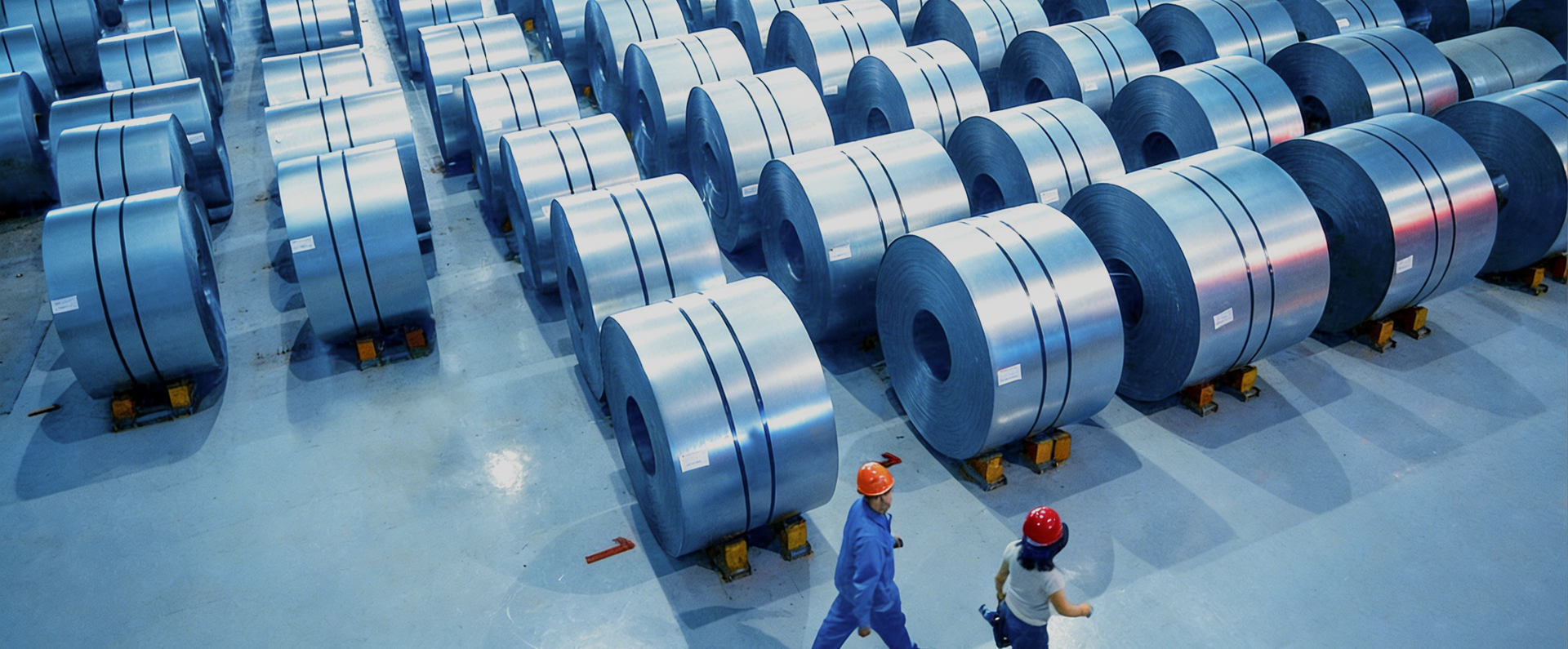


New Energy Vehicles & Battery Systems
Electric vehicle structures are aluminium-intensive and vibration-rich. Battery pack enclosures, transmission housings and oil-pan rails all rely on threaded joints in material that strips before the bolt reaches torque, and the pack must stay serviceable across its service life . The applications that repeat at volume are structural, and Ankolam's self-tapping programme covers most of them: a pure-electric bus programme running M6 × 1 × 1 D and 6 × 1 × 8 K inserts; a battery-bracket programme on an electric commercial-vehicle platform using 302-grade carbon-steel self-tapping inserts at M6 × 1 × 12 L; a hybrid passenger-car battery pack using 308-grade carbon-steel, zinc-nickel plated self-tapping inserts at M8 × 1.25 × 14 L and M10 × 1.5 × 18 L; and a long-range battery tray on a 1,000 km platform using M5 × 0.8 × 1.5 D, M6 × 1.5 D and M8 × 1.25 × 1.5 D inserts. All four run in the millions of pieces per month range
 Characteristics and Advantages
- Tap-free installation in aluminium housings: self-tapping inserts cut their own thread into the drilled or cored hole, so pack housings need no pre-tapping operation and no secondary machining step .
- Road-salt corrosion: zinc-nickel plating on 308-grade carbon-steel inserts gives the corrosion margin that underbody and battery-tray duty demands, where a zinc-plated insert would be marginal .
- Weight and space discipline: at M5 to M10 the insert adds grams, not kilograms, and occupies no more envelope than the tapped hole it replaces — the constraint on every battery pack and e-axle bracket.
- Serviceable joints: a stripped pack bracket is replaced, not scrapped; an insert restores the thread in minutes on the line or in the workshop .
- A full material ladder for soft housings: copper thread inserts (red copper) give a ductile, galvanically compatible lining where a stainless insert would otherwise be the only option .

Railway & Rail Transit Equipment
Rail is a thirty-year-life business with a ten-year inspection interval and constant track excitation. Threaded joints on bogies, traction equipment, turbochargers and interior fittings fail in one of two ways: the insert rotates out under vibration, or the aluminium casting around it fatigues . Insert lock-up is therefore the design driver, not the material. Ankolam's key-locking inserts carry a mechanical key that physically blocks rotation and are used where back-out is unacceptable regardless of torque; self-locking (poly-grip) wire inserts deliver friction-torque retention on safety-critical joints without adding parts to the bill of material.
Characteristics and Advantages- Mechanical back-out prevention: key-locking inserts block rotation by a physical key rather than by friction, so a bolted joint does not depend on prevailing torque alone .
- No extra parts on the BOM: self-locking wire inserts replace a separate locking washer, which matters on bogie and underframe joints where part count and inspection points are controlled.
- Corrosion for outdoor and coastal stock: cadmium plating is the reference coating for lightly corrosive or seawater environments and defence applications — the condition a coastal or salt-exposed rail vehicle runs in .
- High-strength thread in castings: key-locking inserts raise the thread strength of cast aluminium bogie and bracket components without replacing the casting .
- Serviceability over the inspection cycle: inserts let a stripped bracket be repaired at the depot instead of scrapping the casting [Source: AK-0001 § 使用范围及实例].
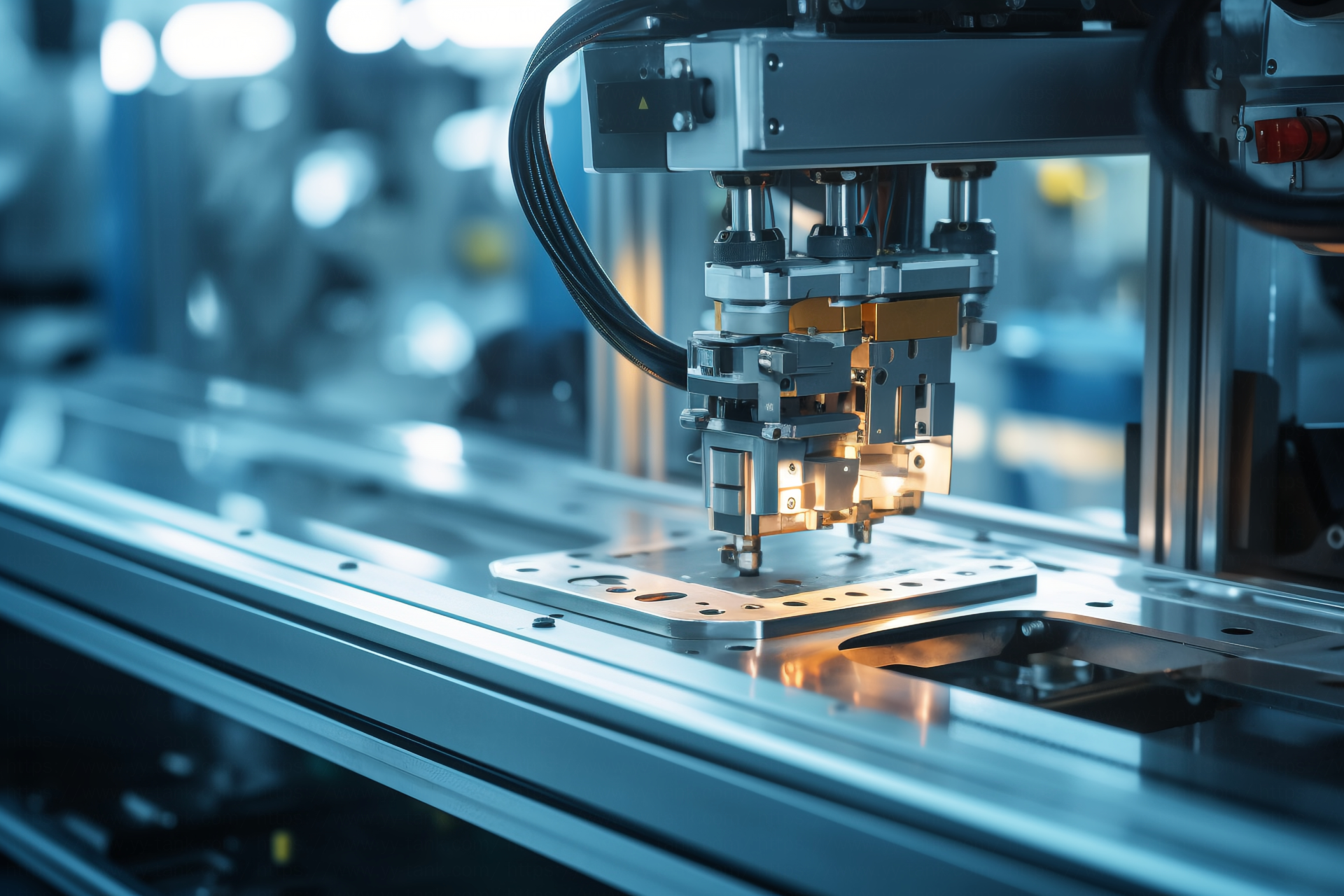
Aerospace & Defense
Aerospace is where thread inserts stop being a commodity and become a controlled part. Three constraints drive every specification: the base material is low-strength aluminium or magnesium, the loading is cyclic, and any loose fragment downstream is a reportable event . The application set spans the whole airframe: floor-protection holes, seat structures, engine assemblies and communication-radar switch housings, from civil cabin interiors on platforms such as C919, ARJ21, B737 and A320 through to military aero-engine hardware .
Characteristics and Advantages- FOD elimination by design: a tangless insert has no break-off tang to snap and retrieve inside a closed structure, which is why it is the specified solution on commercial-aircraft fuselage wing-box panels, door frames and cabin-side mounting points .
- Bidirectional, orientation-free installation: a tangless insert installs the same way either direction, removing an orientation error class from the assembly instruction .
- Assembly ease without contamination: dry-film lubrication gives a lubricated thread without grease, easing assembly while keeping the fastener area free of contamination .
- Marine-grade corrosion for titanium brackets: cadmium-plated titanium inserts carry the salt-spray duty on landing-gear-adjacent structures, while locking-type wire inserts carry the vibration duty .
- Lot-level traceability: heat numbers and batch records can be supplied with the inserts, and first-article inspection is part of the standard process.
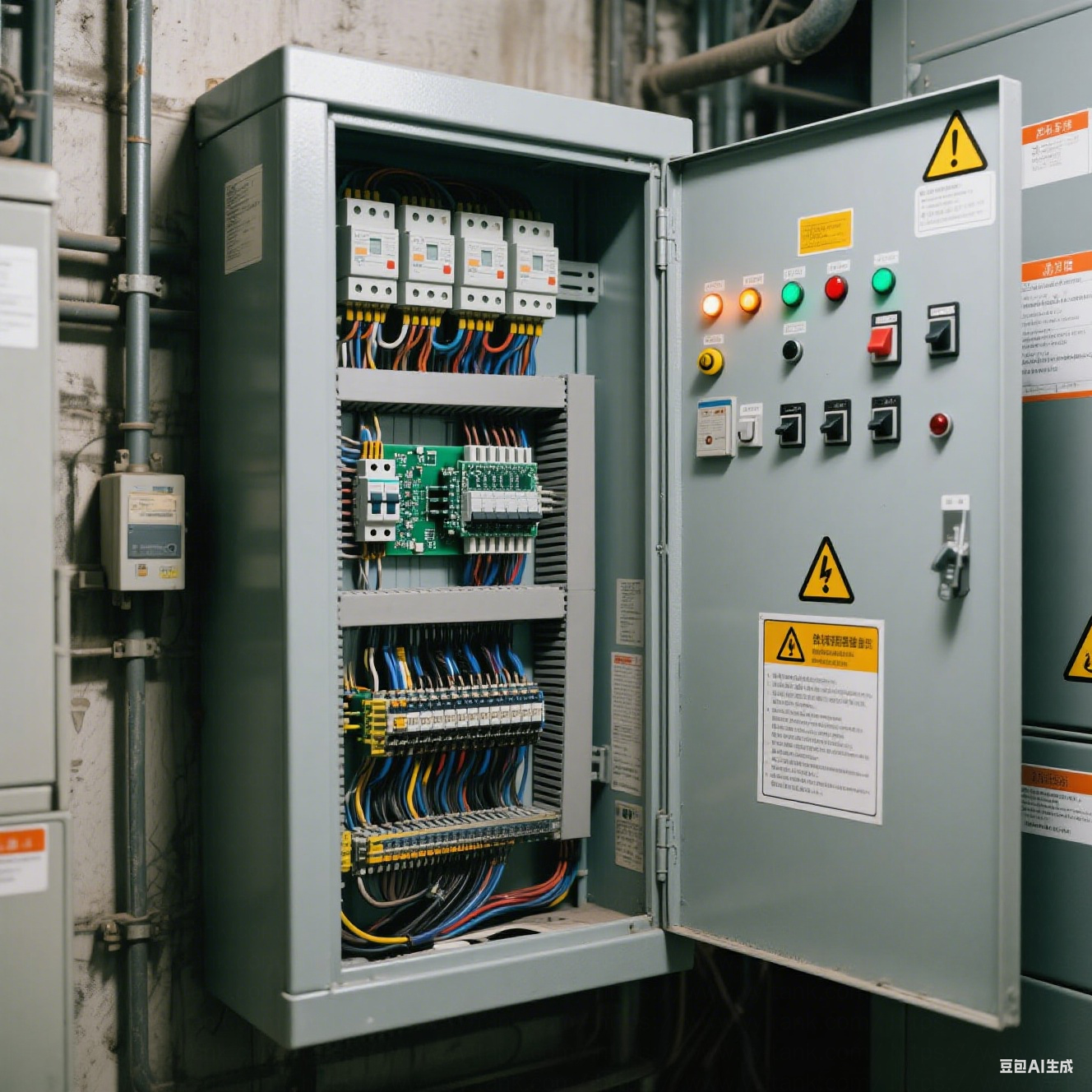
Semiconductor, Electronics & Precision Instruments
Semiconductor and precision-electronics assembly is a clean-room problem before it is a mechanical one. Etch and deposition tool vacuum chambers run at high cleanliness with no metal-particle shedding, aluminium chamber threads gall and cold-weld after repeated maintenance cycles, and a portion of RF connection points need conductivity rather than just a strong thread . The same non-magnetic, low-contamination logic governs precision instruments, defence components specified as weak-magnetic or non-magnetic, instrument fittings used inside magnetic fields, and precision non-magnetic structural parts — where a standard magnetic stainless insert is disqualified by the application, not by its strength.
Characteristics and Advantages- Non-magnetic, contamination-controlled: Nitronic 60 non-magnetic austenitic stainless resists plasma corrosion, keeps particle shedding under control in vacuum and meets the cleanliness requirements of wafer-processing environments.
- Anti-galling, anti-cold-weld: low coefficient of friction and strong resistance to adhesive wear solve the aluminium-thread galling and cold-weld problem that appears after repeated maintenance cycles.
- Conductive path where RF requires it: phosphor bronze inserts cover RF connection points where the thread itself must conduct.
- Aluminium-magnesium structures: aluminium-magnesium frames and chassis are a documented insert application, and self-tapping inserts suit them where no pre-tapped hole exists.
- Defence and radar switch hardware: key-locking inserts are specified where a switch or connector must not rotate under handling and shock .
Power, Energy & Nuclear Equipment
Power equipment stacks a device, a thermal interface and an aluminium or steel base under clamping pressure, and in the energy sector it does so at temperatures and duty cycles that decide the insert material outright. Heavy-duty gas turbine hot-section housings see continuous high temperature and alternating thermal stress; ordinary stainless inserts creep, relax and lose bolt preload . Grid and generation equipment — inverter and converter assemblies, high-voltage switchgear, offshore wind nacelles — add their own duty: outdoor exposure, thermal cycling and, in the nuclear and offshore sectors, salt and chloride exposure.
Characteristics and Advantages- High-temperature strength retention: Inconel X-750 holds strength to 800 °C and resists stress relaxation to 540 °C, addressing the creep and preload loss that destroys a hot-section joint .
- Anti-seizing lubrication at temperature: silver plating provides uniform lubrication up to roughly 650 °C and prevents the thread seizing that otherwise destroys high-temperature joints on the first overhaul.
- Resistance to thermal-cycling vibration: locking-type structures are specified alongside the alloy because thermal transients, not steady-state temperature, are what walk a preload out of a joint.
- Outdoor and offshore corrosion duty: cadmium plating covers lightly corrosive and seawater environments; tin and zinc-nickel plating reduce the galvanic potential difference where steel meets aluminium in outdoor cabinets and nacelle housings.
- Traceability for regulated assets: heat number and batch traceability can be provided for energy-sector inserts.
Data Centre & Liquid-Cooling Systems
Data-centre hardware turns a fastening problem into a risk problem. A liquid-cooled server chassis combines three hostile conditions — continuous pump vibration, thermal cycling, and a leak consequence if the joint fails — which moves the insert selection from "will it hold" to "will it fail safely" . This is the one application where the specified answer is mechanical rather than material-based: a key-locking stainless insert whose mechanical key blocks rotation outright instead of relying on torque, in a chassis that is repeatedly opened for component replacement .
Characteristics and Advantages- Double mechanical lock-out: the insert is driven into the bottom hole and then locked by a pin, so it can neither rotate nor back out under continuous pump vibration.
- Safe under thermal cycling: cold-to-hot cycling moves a thermally-matched joint; a mechanically retained insert is not dependent on the joint's preload staying where it was set.
- Service life across repeated teardown: the thread survives repeated removal and reinstallation during maintenance, so a chassis is not scrapped because a hole has enlarged .
- Aluminium-chassis reinforcement: liquid-cooled chassis are aluminium, and a stainless insert gives the bolt a steel wear surface instead of an aluminium one .
- Conductive options where grounding requires it: phosphor bronze inserts are available where the fastener must also carry an electrical path .
Machinery, Die Casting & Light-Alloy Fabrication
Die casting is the highest-volume thread insert application in the world, and the one where design decisions are cheapest to make and most expensive to skip. An as-cast aluminium or magnesium thread has roughly a third of the strip resistance of a steel thread in the same boss; a wire insert restores it and adds a wear surface that survives service . The same families serve general machinery, aluminium-magnesium and aluminium-alloy fabricated parts, food machinery, pharmaceutical equipment and water-purification equipment, and environments exposed to seawater or chlorine — that is, high-salt and high-chloride conditions where the insert material and coating do the work .
Characteristics and Advantages- Thread recovery in castings: a wire insert restores and reinforces a stripped or low-strength cast-aluminium or magnesium boss, returning roughly three times the strip resistance of the as-cast thread .
- No tapping operation: self-tapping inserts cut their own thread into a drilled or cored hole, which suits low-volume castings, prototype tooling and field repair of a stripped boss.
- Single-part rotation-proof locking: serrated thread inserts add external circumferential serrations that bite into the casting on installation, giving self-locking in one lightweight part where a locking coil or separate key is impractical .
- Ductile lining for the softest substrates: copper thread inserts (red copper) restore stripped or low-strength bosses in aluminium or magnesium with no dissimilar-metal concern that a stainless insert would introduce .
- Hygienic and corrosion-resistant options: food-grade and medical-grade safety grades are available for food machinery, pharmaceutical and water-treatment equipment, and cadmium or tin plating covers seawater and high-chloride exposure .
Core Partners